

In the intricate dance of urban development, the concept of Light Rights serves as a key safeguard for landowners. This legislative right ensures that structures receive a designated amount of natural light, promoting not only comfort and happiness but also improving the worth of properties. For many, the concept of light may appear unimportant, yet its significance is crucial in shaping livable environments, whether residential or business. Understanding Right to Light rights is imperative for property owners, notably in highly populated locations where new developments can impinge upon their access to daylight.
As we delve further into the laws surrounding Right to Light in the UK, we will examine its diverse aspects, including how it can affect building endeavors, the considerations that property developers need to consider, and the actions to take if a neighboring addition boasts to interfere with your daylight. From understanding the importance of Right to Light surveys to navigating disputes, this resource offers information that can help you safeguard your property and navigate the complexities of property development with assurance. Whether you are a householder, a potential buyer, or a property developer, obtaining a strong understanding of these rights can save you hours, financial resources, and potential issues down the line.
Understanding Right to Light
Right to Light is a legal principle that grants landowners the right to access natural light through their openings. This entitlement is typically established through sustained use, and if a property has experienced a particular level of light for a defined number of years, the owner may have a legally enforceable claim to it. The entitlement to light is crucial for residential and retail properties, as it directly impacts the quality of life and utility of these areas.
The relevance of the Right to Light extends past mere enjoyment; it can impact property prices and the viability of development initiatives. For property proprietors, understanding their claims can reduce disputes with abutters and provide insight on how new developments may interfere with their right to natural light. Additional info are consequently an important aspect in urban design and property development.
In the UK, the jurisprudence governing the Right to Light is affected by the traditional law, and it can change depending on particular conditions. Property owners who wish to claim their claims may need to conduct analyses and legal assessments, especially when confronting developments that threaten to interfere with light. Understanding of these regulations is crucial for ensuring that natural light availability is preserved and honored during building activities.
Right to Light Implications for Landowners
Comprehending the implications of light rights is crucial for landowners, as it directly impacts the usage and value of their assets. Right to light grants landowners the right to receive natural light through defined openings, such as doors, and any interference that significantly reduces this light can lead to conflicts. This right is not just about comfort; it can affect the market value and attractiveness of a property, particularly in metropolitan locations where new developments are frequent.
For landowners considering remodels or new constructions, knowledge of right to light laws can prevent financial pitfalls. Before starting a project, it is critical to assess how plans could likely violate a neighbor's right to light. If a neighboring property is already utilizing a right to light, building activities that impede this can lead to litigation or hold-ups due to statutory challenges. Consulting specialists, such as surveyors, early in the planning can help navigate these complications, ensuring that development aligns with regulations.
Furthermore, how property owners approach light rights can influence neighborhood relations. Transparent dialogue and collaborative planning can reduce potential conflicts with neighbors and contribute to more peaceful developments. Grasping the legal landscape and being proactive can protect against issues, ensuring that your construction efforts proceed smoothly while honoring the light rights of those around you.
Navigating Right to Light Issues
Light access disputes can often lead to tension between neighbors, especially when one party’s construction plans seem to jeopardize the natural light access of the other. To handle these conflicts effectively, it is crucial for landowners to know their legal rights regarding light availability. This involves knowing if they have acquired a right to light, which typically requires that a property has enjoyed unobstructed light for at least twenty years. Engaging with a professional surveyor can provide clarity on these rights and help assess potential impacts of proposed construction projects.
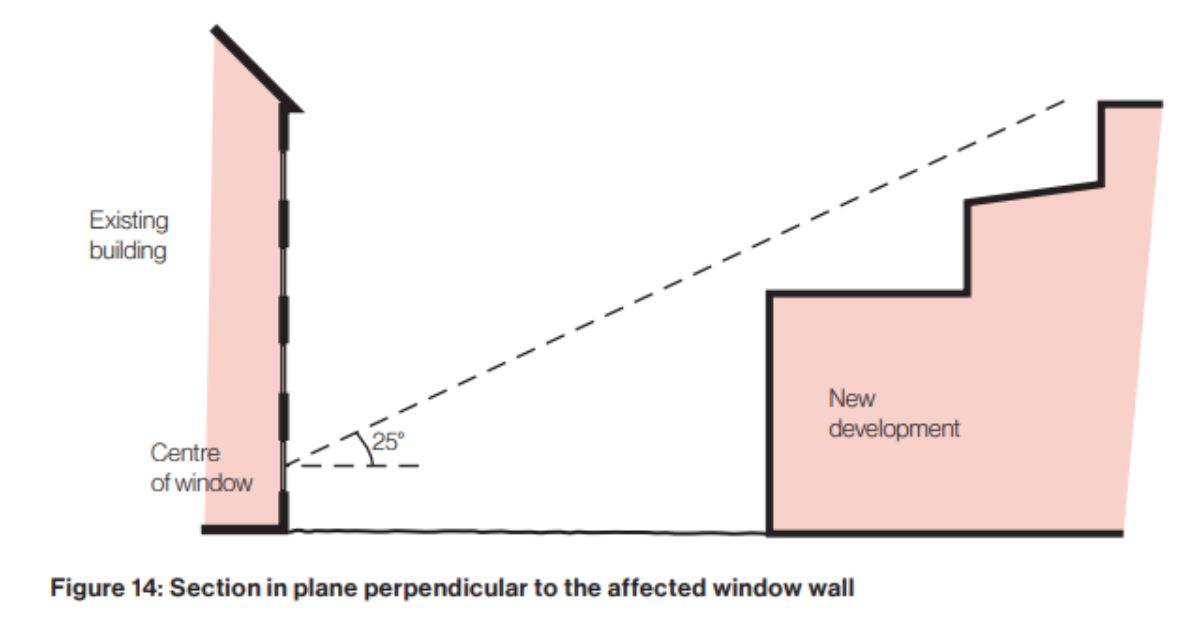
When facing potential disputes, dialogue is key. Open dialogues with adjacent property owners about upcoming projects can sometimes address concerns before they escalate. Landowners should consider alerting their neighbors of any planned extensions or changes, along with conducting right to light surveys if there is any doubt about the effects on light access. This proactive approach not only encourages good relations but also demonstrates a desire to address any valid worries the neighboring parties may have.
If disputes escalate, knowing the available resolution mechanisms, such as mediation or legal action, is essential. Many disputes can be resolved without going to court through negotiation or alternative dispute resolution methods. However, if a legal route becomes necessary, documenting the amount of light before and after construction is essential to support any claims. Understanding these processes will help landowners effectively navigate right to light disputes and safeguard their interests.