

When the warmth of the summer months comes, the necessity of a reliable air conditioning unit becomes crystal clear. Whether relocating to https://airconditioningsouthwales.uk/best-air-conditioning-installation-south-wales/ or considering an improvement, the process of air conditioning installation can seem daunting. With so many options, technologies, and considerations to keep in mind, it's crucial to understand the steps involved and make informed decisions that best meet your needs.
In this detailed guide, we will walk you through everything you need to know about air conditioning setup. From recognizing the signs that it's time for a new system, to comprehending the differences between central air and ductless systems, we'll cover it all. You will discover how to choose the right air conditioner for your space, what to anticipate during setup, and even the common pitfalls to avoid. By the end, you will be better equipped to transform your home into a cool oasis and enhance your comfort while also increasing your property value.
Signs That You Need a Replacement Air Conditioner
As your air conditioning unit starts to show indications of struggle, it may be time for a replacement. One of the most obvious indicators is an upsurge in energy bills. If you notice that your monthly costs are rising without any increase in usage, your older AC system may be failing to maintain efficiency. This typically indicates that the unit is working harder to cool your living space, resulting in higher electricity consumption and costs.
Another sign to watch for is uneven cooling throughout your house. If you discover some rooms are too hot while others are too cold, it may suggest that your air conditioner is struggling to maintain a uniform temperature. This can happen due to old equipment or an inappropriate unit for your space, indicating that investing in a new energy-efficient model could enhance your comfort and indoor air quality.
Regular breakdowns are yet another clear sign that your air conditioning system may need to be replaced. If you notice yourself calling for repairs multiple times each season, consider the cumulative cost of those repairs compared to the price of a new unit. When systems age, they usually develop more issues, and frequent malfunctions indicate that your air conditioner is approaching the end of its lifespan, prompting the need for a new installation for improved reliability.
Selecting the Best Air Conditioner
Choosing the right air conditioner for your house involves understanding your specific cooling needs, the layout of your space, and your budget. First, think about the size of the area that needs to be cooled. An air conditioning unit that is too small won’t effectively cool the space, while one that is too large can lead to excessive energy use and may cause discomfort due to rapid cycling. It's advisable to carry out a load calculation, which takes into account factors such as square footage, insulation quality, and local climate, to determine the appropriate capacity for your air conditioner.
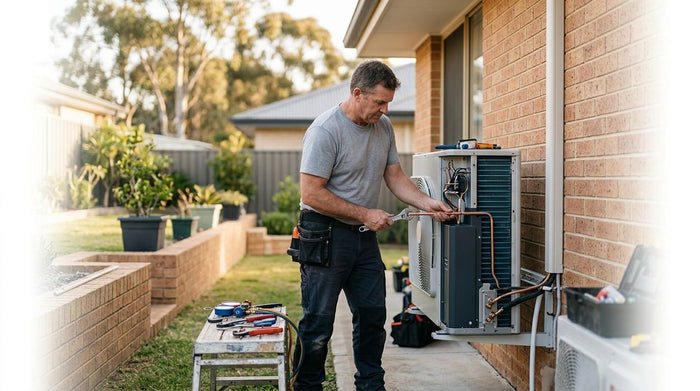
Next, examine the different types of air conditioning systems available. Central air conditioning systems are perfect for larger homes with existing ductwork, offering uniform cooling throughout the entire space. Ductless mini-split systems may be more suitable for homes without ductwork or for those looking to cool particular areas. Each option has its advantages and disadvantages; for instance, ductless units are typically easier to install and can provide focused cooling, while central systems often have better energy efficiency over larger areas. Consider how you plan to use your space and which system aligns with your cooling preferences.
Finally, don’t overlook energy efficiency when choosing an air conditioner. Look for models with superior Seasonal Energy Efficiency Ratio (SEER) ratings, as they indicate greater efficiency and lower operating costs. Additionally, consider features such as smart thermostats, which offer accessibility and can help improve energy usage. By making an effort to evaluate your home’s requirements and looking into the variety of air conditioning options available, you can ensure that you select a system that meets your needs while providing relaxation and financial benefits for years to come.
Getting Ready for Setup
Before your air conditioning setup date arrives, there are numerous steps you can take to get ready for your home. Start by removing the area around your existing unit, if you have one. Take away any furniture, ornaments, or barriers that could impede access for the installation team. Making sure that the area is clean and accessible not only help the technicians work efficiently but also prioritizes safety during the setup.
In the next step, consider informing your home residents about the upcoming setup. It’s vital that all involved understands that there will be professionals in the area, and that certain areas may be off-limits during the work. If you have fur babies, make plans to keep them safely away from the worksite. This will not only keep your pets out of harm's way, but it also helps the technicians focus on their task without distractions.
Lastly, if you have specific preferences regarding the location of the new unit or any features you want to highlight, communicate with your crew ahead of time. Discussing these details in advance can ensure that the final configuration matches your vision and functional needs. Being prepared and organized will lead to a more streamlined and more efficient setup, ultimately allowing you to enjoy the comfort of your new air conditioning unit more quickly.