

Installing an AC unit is a critical step in providing comfort in your house, particularly in those hot summer seasons. With so many options out there, whether you're thinking about central air or a ductless mini-split system, realizing how to approach installation can be daunting. This manual will walk you via all the essentials to know about air conditioning installation, from the crucial signs that indicate it’s time for a new system to specialist advice on choosing the right unit for your individual requirements.
Understanding the installation process is necessary not only for gaining optimal comfort but also for maximizing energy efficiency and lowering your utility bills. From setting up your home for installation to spotting common pitfalls to prevent, this detailed article will provide you with the knowledge needed to make informed decisions. Whether Discover more 're a new homeowner or looking to improve your existing system, we’ll cover all the details to help you stay cool and comfortable for years to come.
Signs That You Require a New Air Conditioner
As a property owner, it is essential to recognize the indicators that signal it may be time to invest in a new air conditioning unit. One of the most significant indicators is persistent breakdowns. If you frequently calling for repairs, particularly during high summer months, it could be a sign that your unit is nearing the end of its lifespan. Constant issues not only interrupt your comfort but can also lead to rising costs that may exceed the advantages of an old system.
Another obvious sign is a noticeable rise in energy bills. If your utility bills have skyrocketed without any variations in usage patterns, your deteriorating air conditioner may be struggling overtime to maintain your home. An underperforming unit has difficulty to keep the preferred temperature, using more energy in the process. This inefficiency not only affects your wallet but also has broader implications for energy efficiency and the planet.
Lastly, consider the total comfort level in your home. If certain rooms are awkwardly hot or cold, your air conditioning system may not be properly sized or performing effectively. Uneven cooling is often a hint that a unit is not working to execute its fundamental role. By noticing these signals early, you can stop further discomfort and guarantee a more reliable cooling solution for your home.
Picking the Best Unit for Your Home
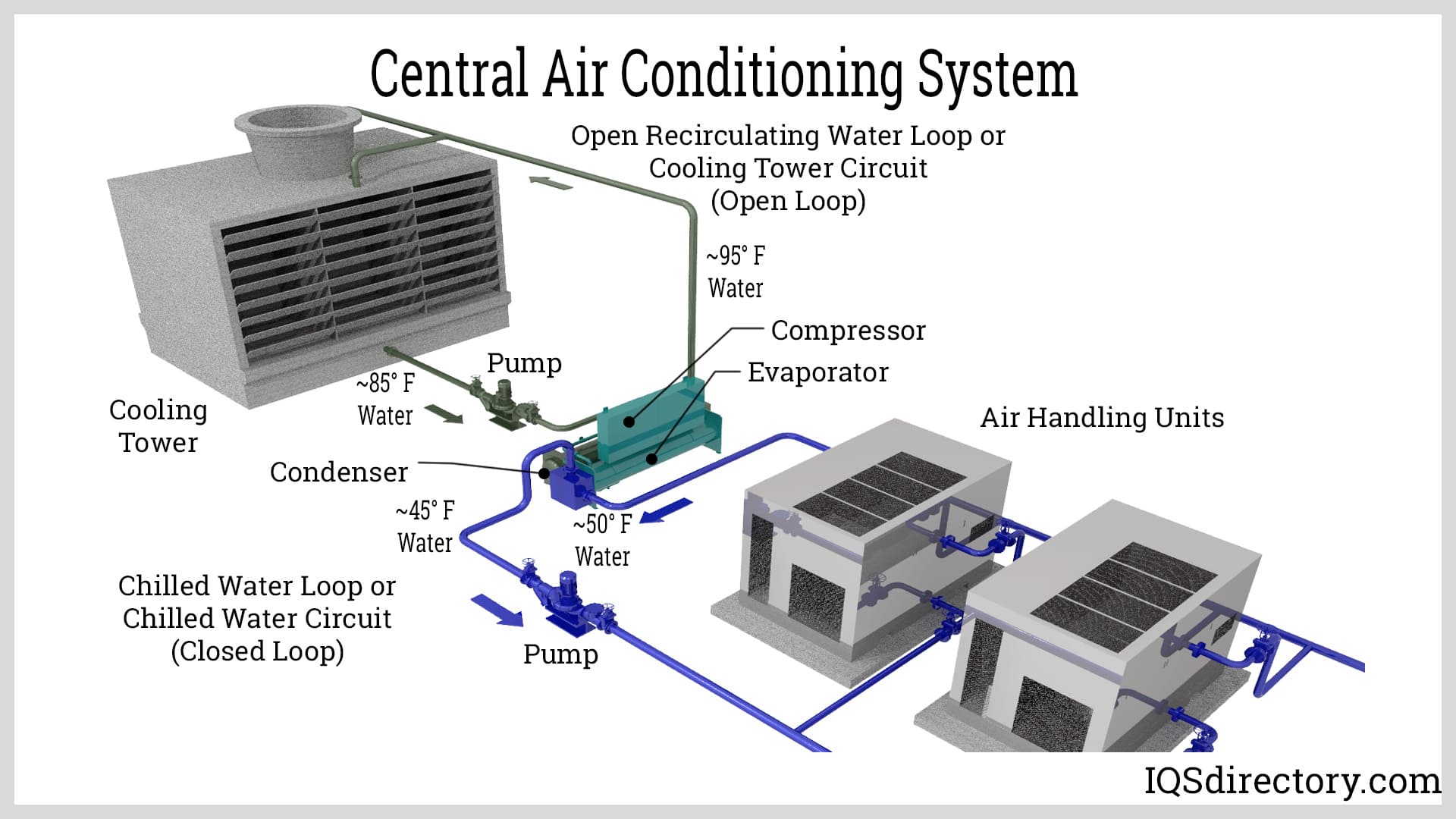
As you selecting an air conditioning unit for your home, it’s essential to evaluate the size of the area you want to cool. An inadequate unit will find it hard to achieve comfortable temperatures, while an excessive unit may cool the area too rapidly, leading to poor energy use and humidity problems. To find the appropriate size, you can use the British Thermal Unit (BTU) rating, which represents the cooling capacity of the unit. A professional contractor can perform a load calculation to assist you determine the appropriate size for your home.
In addition to size, you'll likely to consider the kind of air conditioning system that best fits your needs. Whole-house air conditioning systems are ideal for cooling larger homes and provide uniform temperature distribution through ductwork. On the contrarily, ductless mini-split systems offer versatility, allowing you to cool individual rooms without the need for widespread ductwork. Take into account elements like installation costs, energy efficiency, and your home's layout when making your decision.
Lastly, think about the features that are provided by modern air conditioning units. Efficient models with high SEER ratings can reduce your utility bills and limit your carbon footprint. Smart thermostats that connect to new air conditioning systems allow for remote control and scheduling, enhancing comfort and efficiency. Look for extra features such as variable-speed compressors, air filtration systems, and sound reduction technology to ensure the highest quality air conditioning experience for your home.
The Installation Process: How to Anticipate
When you decide to install a new air conditioning unit, the initial step will typically involve arranging a consultation with a professional installer. During this visit, the technician will assess your home, considering its size, layout, insulation, and existing ductwork if applicable. They will help you choose the right type and size of air conditioner that will effectively cool your space while considering your budget and energy efficiency needs.
On the day of installation, the team will arrive with all equipment and tools. They will begin by preparing your home, ensuring that the work area is clear and protecting your flooring and walls as needed. The installation process may vary depending on the kind of system chosen, whether it is central air or a ductless mini-split. Generally, the technicians will install the outdoor unit and connect it to the indoor components, running refrigerant lines and electrical wiring as necessary.
Once everything is installed, the technician will conduct a comprehensive inspection to ensure everything is working properly. They will explain the new system's features, provide guidance on how to operate it, and discuss maintenance tips to ensure optimal performance. At the end of the installation, you can expect a clean and tidy work area, along with the peace of mind that comes from having a skilled installation.